
You don't need to knock down walls, replace your sofa, or spend thousands to completely transform how a room feels. Some of the most impactful changes are the simplest — and they cost almost nothing.
I've seen it again and again, both in my own work and in the homes I visit during consultations. A room that looks fine on paper but feels cold, disconnected, somehow incomplete. The furniture is nice. The layout works. But something is missing.
More often than not, the issue isn't about what's in the room — it's about how the room makes you feel when you walk in. And that feeling of warmth, of being welcomed, comes down to a few specific design decisions that most people overlook.
Here are five that I come back to in almost every project.
I always tell my clients: if you only change one thing in a room, change the lighting. It's the single most transformative lever you have — and one of the least expensive. But once the light is right, the next thing you'll notice is what the light falls on.
I always tell my clients: if you only change one thing in a room, change the lighting. It's the single most transformative lever you have — and one of the least expensive. But once the light is right, the next thing you'll notice is what the light falls on.
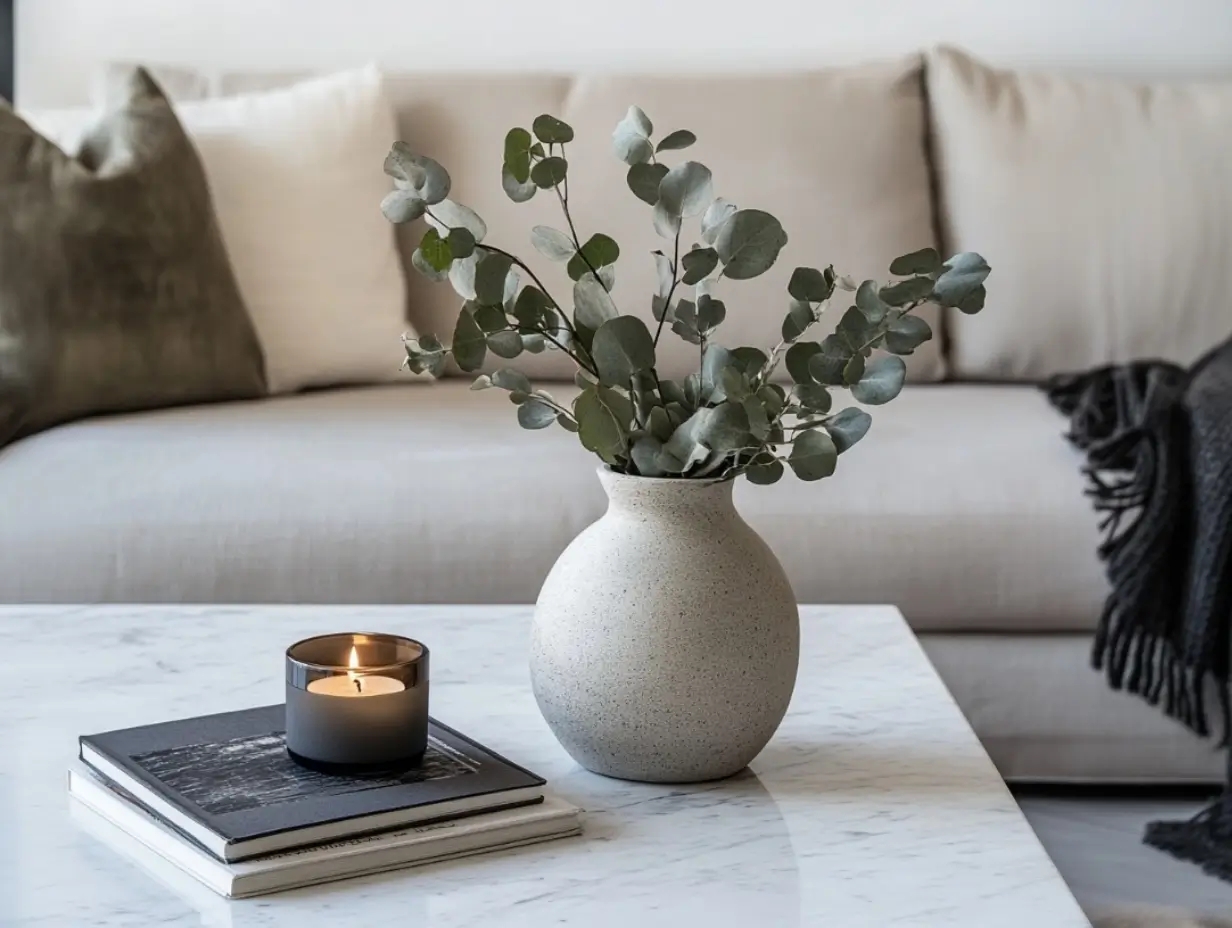
You don't need to redecorate to bring texture in. Start with what you already have — a cotton throw folded over a chair, a chopping board propped against a wall, a plant in a hand-thrown pot. These small additions shift the balance of the room more than you'd expect.

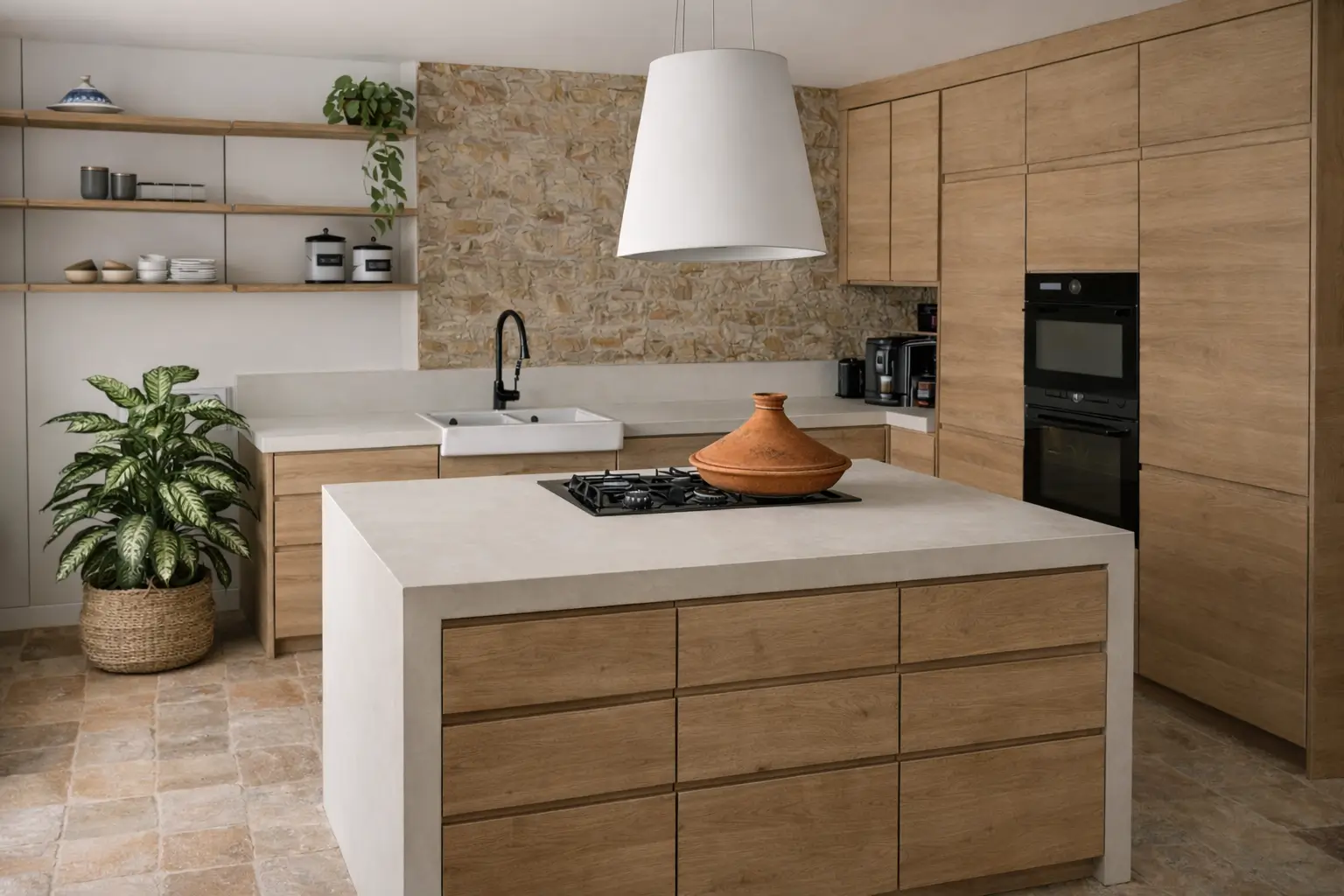
Natural materials — linen, timber, rattan — absorb light and give a room warmth without changing a thing structurally.
A rug does something else too — it tells your body that this is a space to stay in, not just pass through. It's a subtle signal, but our senses pick up on it immediately. Think about the difference between walking barefoot across cold tiles and stepping onto warm wool. That's the feeling you're designing for.
"A warm room has shadows, layers, and something soft to land on. That's where the feeling of home lives."

I often test paint colours by holding a sample against a piece of pure white paper. If the white you've chosen looks yellow by comparison, you're on the right track — that's warmth. If it looks blue or grey, it'll make the room feel cooler than you intended.
"The wrong white can undo everything else you've done in a room. It's the most invisible and most powerful decision you'll make."

The first four tips are about the physical environment — light, texture, surface, colour. But the last one is different. It's about what makes a room feel like yours.
The bigger picture
If you look at these five tips together, you'll notice they all share something in common: they're about creating layers. Layers of light, layers of texture, layers of meaning. A cold room is one-dimensional. A warm room has depth.
And none of them require a builder, a council permit, or a five-figure budget. They just require attention — to how a space makes you feel, and to the small decisions that shift that feeling.
If your room still doesn't feel right after trying all five, it might be worth a deeper conversation. Sometimes the issue is structural — the layout, the proportions, the flow between rooms. That's where working with a designer can make a real difference. But start with these five. You might be surprised how much they change.
Design tips
Styling
Budget-friendly
Warmth


.png)